Pencils Name Selection for Student: Elevating Classroom Engagement
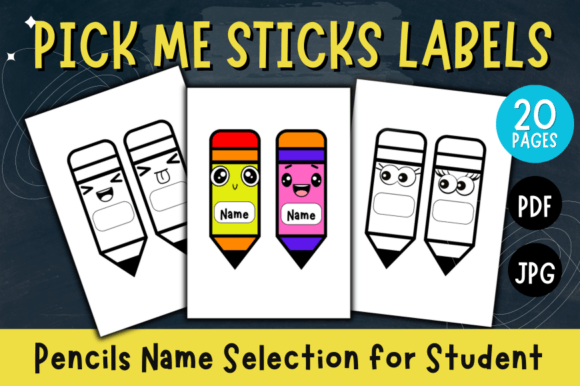
In the dynamic landscape of modern education and visual communication, even the most routine tasks present an opportunity for thoughtful design. The concept of **Pencils Name Selection for Student** transcends simple utility; it represents a strategic approach to classroom management where functionality meets engaging graphic design. For educators, designers of educational materials, and creators of learning resources, this tool is a prime example of how curated visual assets can transform an everyday activity into an interactive and memorable experience. By integrating playful, well-designed labels into classroom routines, we foster participation and demonstrate the power of intentional design in shaping user experience.
The Role of Visual Design in Educational Tools
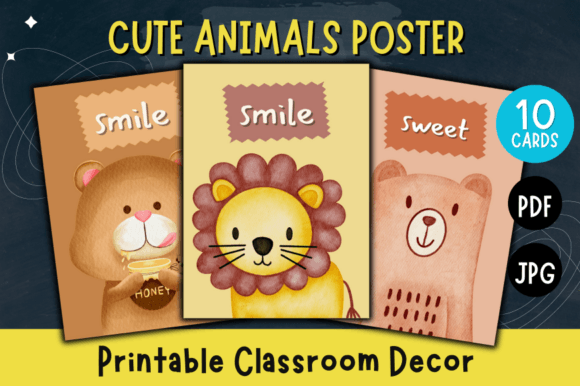
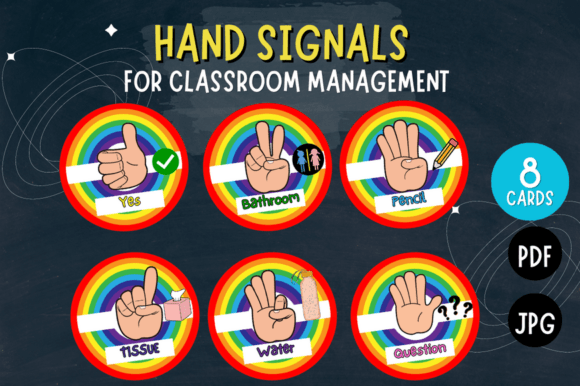
Effective educational tools do more than perform a function—they communicate, motivate, and align with the learning environment's aesthetic. A well-executed **Pencils Name Selection for Student** system, such as the popular "Pick Me Sticks" labels, leverages core graphic design principles. The use of vibrant color palettes, clear typography, and consistent branding within the label set creates a cohesive visual identity for the classroom. This consistency aids in instant recognition and makes the tool feel like an integral, professional part of the daily routine rather than an afterthought. The visual appeal directly contributes to higher student engagement, turning a simple selection process into a moment of anticipation and excitement.
Practical Applications Beyond the Classroom
While the primary application is for educators, the design principles behind these assets have broad relevance. The same thinking applies to various creative and professional projects where randomization, user engagement, and visual clarity are key. Consider how similar design frameworks can be applied in different contexts:
- Branding and Marketing: The playful, structured layout can inspire interactive elements in brand campaigns, such as customer appreciation drawings or social media giveaway mechanics.
- UI/UX Design: The concept of a "random selector" can inform the design of interactive website features, app onboarding flows, or gamified user experiences that boost retention.
- Event Management and Presentations: Professionally designed name selectors can be used for raffles, panel speaker introductions, or team-building activities, adding a polished touch to corporate or community events.
- Digital Product Design: Creators of educational apps, learning management systems, or interactive e-books can integrate similar visual selection mechanics to enhance user interaction and learning outcomes.
Tips for Selecting and Implementing Design Assets
When choosing or creating assets like **Pencils Name Selection for Student** labels, several design factors ensure effectiveness and longevity. First, prioritize scalability; the design should remain crisp and legible whether printed on a small pencil or displayed on a smartboard. Second, evaluate the typography for readability across age groups—avoid overly decorative fonts for primary text. Third, consider the color palette's compatibility with your existing classroom or brand environment. A cohesive color scheme strengthens visual hierarchy and reduces cognitive load. Finally, assess the file formats provided (such as PDF and JPEG) for flexibility across different printing and digital display scenarios. A thoughtful selection process ensures the asset integrates seamlessly into your workflow and enhances, rather than disrupts, the visual communication flow.
Ultimately, tools like these highlight a fundamental truth in design: that every interaction point is a chance to communicate value and care. By investing in high-quality, visually coherent creative assets, educators and professionals alike can elevate routine processes into engaging experiences. This commitment to thoughtful design not only improves aesthetics but also strengthens the underlying message, whether it's fostering classroom community or building a cohesive brand identity. The right visual elements do more than decorate—they instruct, engage, and inspire.